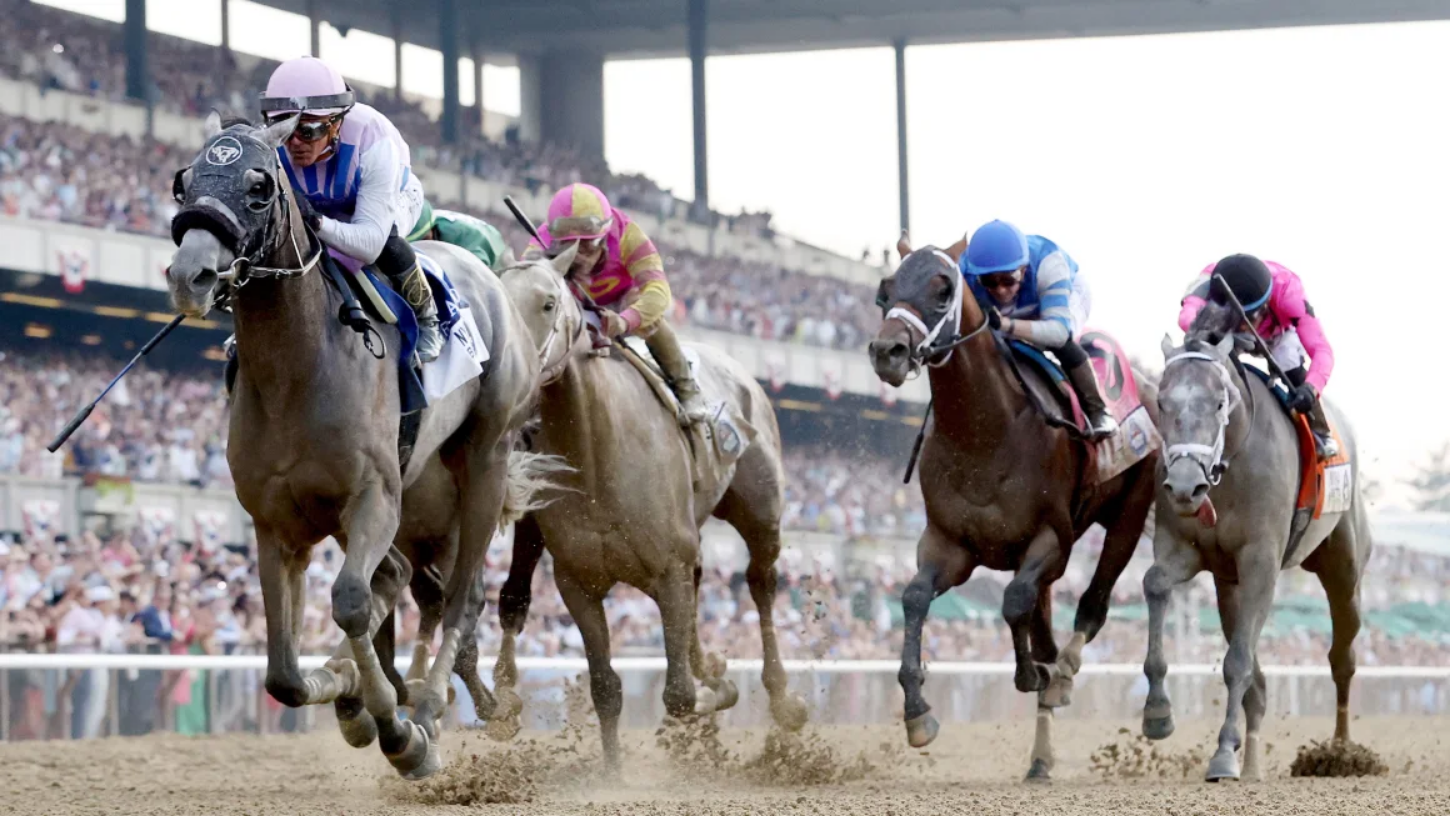
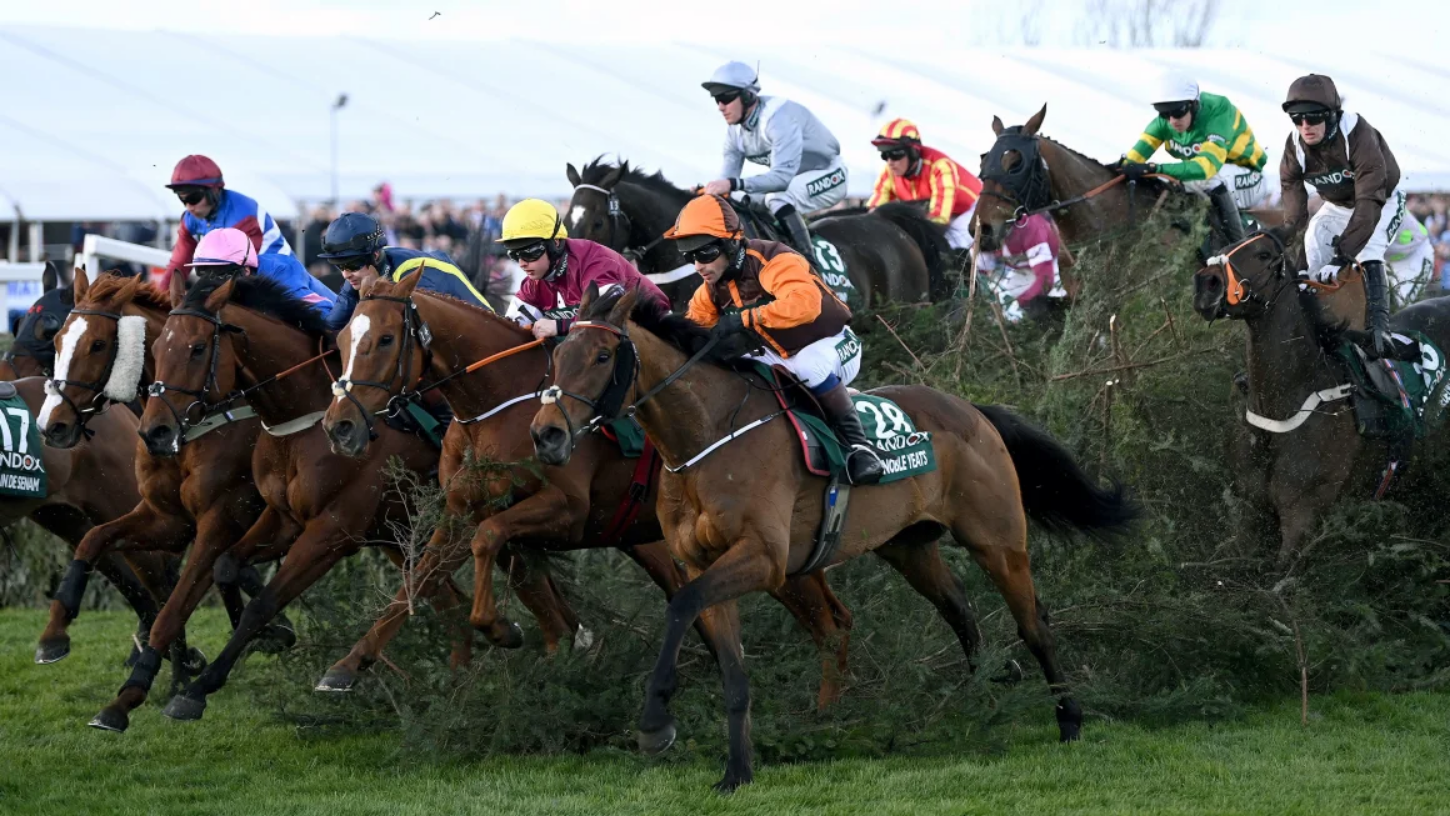
On Saturday, 122 athletes gathered at one of the world’s premier racetracks, though they weren’t wearing sneakers—they were horses. These elite equestrians traveled from 14 countries across five continents to compete in the Dubai World Cup, an event with a prize pool of $30.5 million across nine races, including the $12 million Dubai World Cup itself.
The preparation for the event is extensive. John Nicholls, the quarantine manager at Dubai Racing Club, oversees the health and well-being of the horses from their arrival until departure, managing the quarantine stables at the $1-billion Meydan Racecourse. “It’s essentially a five-star experience,” Nicholls explains, noting that the horses receive ample water, hay, and care.
Sheikh Mohammed bin Rashid Al Maktoum, Dubai’s ruler and a passionate horse racing enthusiast, typically uses his private Boeing 747 to transport the horses. However, with the aircraft under maintenance, the horses flew commercially. Despite the minor inconvenience, Nicholls notes that the horses are well accommodated in air-conditioned stalls, which can hold up to 25 stalls with up to three horses each. These stalls are akin to economy class in human air travel, while stalls with fewer horses are considered business or first class.

Emirates planes feature custom stalls with adjustable roofs, ventilation for temperature control, and non-slip floors. “It’s the equine equivalent of Business Class travel,” says Nadeem Sultan, Emirates SkyCargo’s senior vice president of cargo planning and freighters. Yet, horses prefer to be close to each other. As Suné Schäffler from Equitrans explains, “Horses are herd animals and feel more comfortable if they can see their companions.”
Traveling with the horses are professional grooms and a veterinarian. They handle various protective measures, such as leg wraps and earplugs, to ensure the horses’ safety and comfort. Although horses are given water throughout the flight, they are not fed their usual meals, but hay or grass helps keep them occupied and less stressed.

Transporting the horses is only part of the challenge. Nicholls estimates that at least 5,000 kilograms (11,000 pounds) of equipment accompanies the 82 horses, including riding tack, food, and water. He notes the complications of customs and equipment handling, such as oversized crates and antique chests.
The horses land at Al Maktoum Airport, a 45-minute drive from Meydan Racecourse. Efficient documentation, including microchip identification and passports, is crucial for quick processing. David Robson of Equitrans estimates the cost of transporting the horses ranges from $2.5-3.5 million.
Despite the complexity of their journey, most horses adapt quickly, though some may experience jet lag. Nicholls suggests a two to three-week acclimatization period before races, though some horses arrive as late as five days before the competition.
While the Dubai World Cup concluded on Saturday, the work continues for those involved in the horses’ transport. As Nicholls puts it, whether flying economy or first class, “they’re looked after first class.”